July 7, 2026
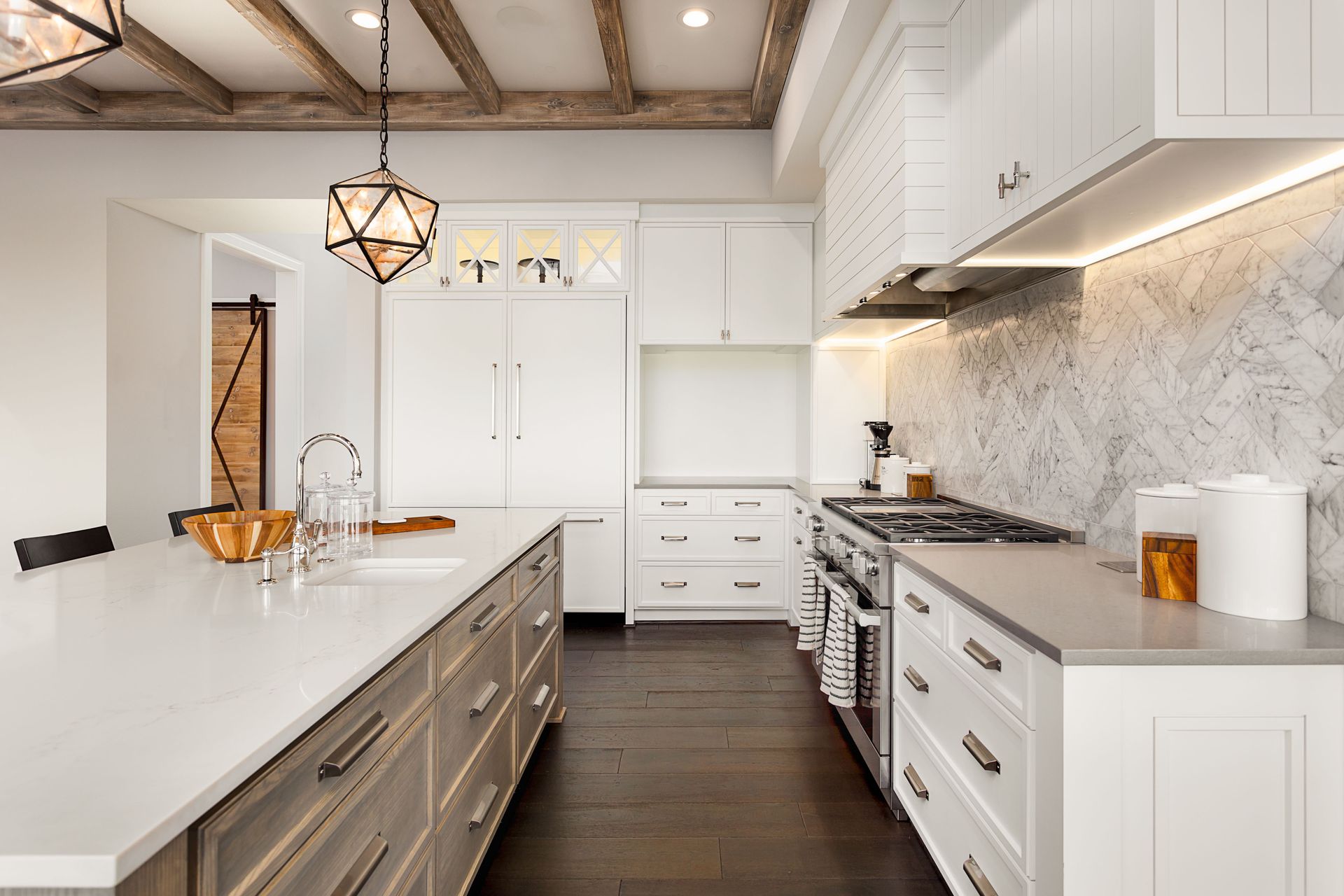
The enduring prominence of white finishes within residential design represents a sophisticated convergence of architectural adaptability and long-term financial strategy. For decades, this clean, reflective palette has served as the baseline of kitchen cabinetry and bathroom design, providing an unmatched canvas that bridges disparate architectural movements. Homeowners frequently find themselves balancing the desire for personal expression with the practical realities of property investment, a dilemma that this specific aesthetic choice solves with remarkable ease.
Beyond mere visual preference, the decision to implement this classic look is rooted in a deep understanding of spatial psychology and structural harmony. Lighter surfaces inherently possess the ability to alter the perception of a room, turning confined or poorly lit culinary spaces into open, inviting environments. This foundational versatility allows for effortless transitions when updating surrounding decor, ensuring that the primary investments in a home remain relevant regardless of shifting macroeconomic trends or design movements.
Discovering the Historical Progression of Interior Color Choices
The journey of white surfaces from functional necessity to high design reflects a fascinating evolution in residential architecture. In the early decades of the twentieth century, the color became inextricably linked with the public health movement and the advent of advanced sanitation standards. Smooth, pale surfaces were introduced into domestic spaces because they made the presence of debris immediately visible, signaling to inhabitants and visitors alike that the environment was meticulously maintained. This association with hygiene quickly transformed into a design standard, as early manufacturing techniques began producing enamel and lacquered finishes that could withstand daily scrubbing while maintaining their pristine appearance.
As manufacturing technologies matured during the post-war housing boom, these clean aesthetics moved from utilitarian spaces into the mainstream consciousness of suburban developments. What had once been a labor-intensive luxury to keep spotless became an accessible standard for the middle-class home, symbolizing modernity and progress. This historical trajectory solidified the color palette as a permanent fixture in residential design, rather than a fleeting trend. The ongoing cultural appreciation for open, bright spaces has kept this choice at the absolute forefront of the industry, proving that its historical roots continue to influence modern domestic preferences.
Adapting Seamlessly to Diverse Architectural Movements
One of the most remarkable attributes of white finishes is their ability to integrate into virtually any design style without creating friction. In contemporary or minimalist settings, smooth, unadorned surfaces create a sense of streamlined continuity that emphasizes geometric precision and structural purity. The absence of intense color allows the architectural lines of the room and the premium quality of integrated appliances to take center stage. This creates a calm, uncluttered environment that serves as an antidote to the chaotic pace of modern life, fulfilling the core philosophical requirements of minimalist architecture.
Conversely, when applied to traditional or transitional spaces, the very same palette takes on an entirely different character, showcasing how versatile high-quality cabinetry can be across various applications. In a classic estate, pale tones highlight the intricate details of crown moldings, raised panels, and sophisticated corbels, preventing ornate woodwork from feeling heavy or dated. When introduced into industrial lofts, these bright installations offer a striking contrast to exposed brick walls, weathered concrete floors, and raw iron fixtures. This unique adaptability ensures that regardless of the overarching architectural style of a residence, the central storage solutions will harmonize with the surrounding environment.
Understanding the Concrete Real Estate Value Realized
The financial implications of interior design choices are a critical consideration for property owners looking to maximize their long-term equity. The selection of a neutral, highly reflective palette in the kitchen directly influences how prospective purchasers evaluate the overall condition and modernity of an entire residence during property tours. A bright, clean culinary space creates an immediate, powerful first impression that suggests the home has been well cared for and requires minimal immediate investment after closing. This positive psychological framing frequently translates into compressed timelines on the market and more competitive bidding environments.
Statistical data underscores the resale advantage of white cabinetry, with numerous studies indicating a correlation between white kitchens and higher property values. According to WifiTalents, 41% of homeowners choose white as their primary cabinet color, reinforcing its status as a popular and strategic choice for resale. This overwhelming market share confirms that the palette transcends individual personal taste, operating instead as a universally accepted standard of excellence. By aligning a renovation with these documented market preferences, property owners mitigate the risk of stylistic isolation, ensuring their home remains attractive to the widest possible audience of qualified buyers when the time comes to transition.
Maintaining Pristine Surfaces Through Advanced Material Science
The historical concern regarding the upkeep of pale surfaces has been comprehensively addressed by modern innovations in coatings and substrate manufacturing. Today, the market offers a sophisticated array of factory-applied finishes that are specifically engineered to resist the traditional hazards of the kitchen environment, such as ambient moisture, ultraviolet exposure, and airborne cooking oils. High-performance conversion varnishes and acrylic topcoats create an impermeable barrier that prevents pigments from yellowing over time, even when subjected to direct sunlight from large windows. This technological evolution ensures that the initial aesthetic investment retains its crisp, original brilliance for decades.
Furthermore, the ease of maintaining these modern surfaces provides a significant daily advantage for busy households, eliminating the need for specialized or abrasive cleaning routines. A simple regimen utilizing non-abrasive microfiber cloths and mild, pH-neutral detergents is all that is required to keep the surfaces looking pristine. Because dust, fingerprints, and water spots are often less visible on high-quality pale finishes than on dark, polished woods or matte black surfaces, everyday maintenance is actually simplified. This combination of structural durability and straightforward upkeep elevates the perceived quality of the installation, offering long-term peace of mind to the homeowner.
Maximizing Ambient Light and Spatial Perception Effectively
The physical interaction between light and color plays a defining role in how interior volumes are experienced by their inhabitants. Pale surfaces possess a high Light Reflectance Value, meaning they bounce both natural sunlight and artificial illumination back into the room rather than absorbing it. This reflective capability is a powerful tool for optimizing spatial perception, making compact or layout-challenged kitchens feel significantly larger, airier, and more comfortable. By eliminating dark corners and heavy visual boundaries, the entire room opens up, creating a more pleasant environment for daily culinary activities and social gatherings.
This optimization of illumination is particularly effective in modern residential layouts that feature open floor plans, where the kitchen is completely visible from the living and dining areas. Integrating bright, neutral cabinetry throughout the central core of the home establishes a cohesive visual thread that unifies distinct functional zones without overwhelming the senses. The resulting atmosphere is one of continuous flow and elevated brightness, which psychological studies have consistently linked to improved mood, increased focus, and a heightened sense of domestic tranquility. The final outcome is a space that performs beautifully on a functional level while nurturing the well-being of everyone who steps inside.
Selecting the ideal foundation for a kitchen or bathroom renovation involves balancing immediate aesthetic satisfaction with enduring market value. The persistent dominance of pale finishes across the residential sector is a direct result of this balance, offering an unparalleled combination of stylistic flexibility, spatial optimization, and proven real estate demand. By anchoring a home with high-quality
cabinetry in a timeless finish, property owners secure a beautiful backdrop for daily living while safeguarding their financial investment for the future. To discover how premium materials and tailored design solutions can transform your current space into a luminous, highly marketable masterpiece, connect with the expert design team at Economy Shingle Sales to schedule your comprehensive consultation.